


CogLearn
A cognitive-computational model of threat avoidance
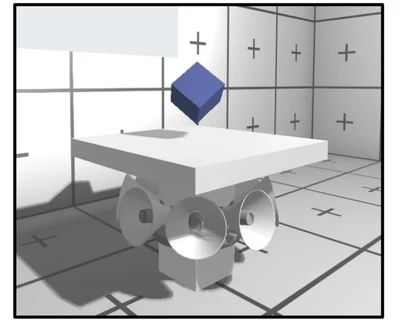
Learning to avoid threat and to seek safety is a fundamental psychological function. It allows us to flexibly adapt to ever-changing environments. This learning process is also leveraged in exposure therapy, a common clinical intervention for anxiety disorders. Avoiding threat requires predicting it – but neurobiological data suggest there are at least two partly independent learning systems for threat prediction and threat avoidance. In this project, we will develop a computational learning model that encompasses both threat prediction and avoidance, using a virtual reality approach with combined threat prediction and threat avoidance measurement.
Read more
Funding
Funded by the Economic and Social Sciences Research Council, UK, under grant agreement ES/W000776/1.